
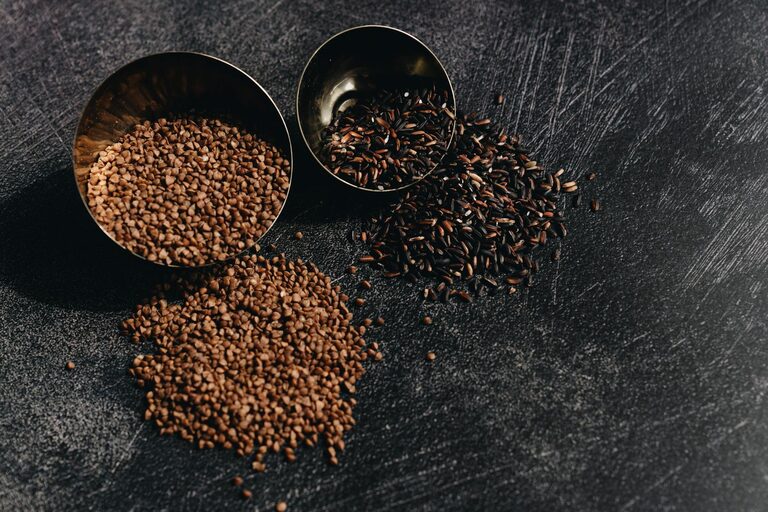
How to Plan Meals from Pantry Staples for Easy, Stress-Free Cooking
Planning meals from pantry staples is a smart way to save time, reduce grocery trips, and make the most of what you already have at home. Whether you’re aiming to cut down on food waste, stick to a budget, or simply enjoy stress-free cooking, using pantry basics can be a game changer. In this guide, we’ll explore practical steps to help you create tasty meals using common pantry ingredients, plus tips for organizing your pantry and getting creative with recipes.
Why Plan Meals from Pantry Staples?
Stocking your pantry with versatile ingredients means you can throw together meals quickly without needing a last-minute grocery run. It promotes healthy eating habits by encouraging cooking at home and reduces impulse buying. Plus, it helps you minimize food waste by using what you already have.
Identifying Your Pantry Staples
Before planning meals, it’s essential to know what ingredients you have on hand. Pantry staples commonly include:
– Canned goods (beans, tomatoes, vegetables)
– Dry pasta, rice, and grains (quinoa, couscous)
– Baking essentials (flour, sugar, baking powder)
– Cooking oils (olive oil, vegetable oil)
– Spices and herbs (salt, pepper, cumin, oregano)
– Nut butters and sauces (peanut butter, soy sauce)
– Broth or stock (chicken, vegetable)
Having a well-stocked pantry means you have building blocks for a variety of dishes—from soups and stews to pasta and salads.
Step 1: Take Inventory of Your Pantry
Start by listing all the staple items you currently have. Check expiration dates to ensure your ingredients are fresh. Organize items by category so you can easily see what’s available. This inventory is like your personal recipe toolkit.
Tips for Pantry Organization
– Use clear containers or labels for easy identification.
– Group similar items together, such as baking supplies or canned goods.
– Keep frequently used ingredients at eye level for quick access.
Step 2: Choose Meals Around Your Staples
Once you know what ingredients you have, brainstorm meal ideas that incorporate these staples. For example:
– Canned beans + rice + spices = a hearty bean bowl
– Pasta + canned tomatoes + olive oil + garlic = simple pasta sauce
– Quinoa + canned vegetables + broth + herbs = quick grain salad
Think about meals that are flexible and can accommodate substitutions. For instance, if you only have chickpeas instead of black beans, you can still make a flavorful dish.
Step 3: Add Fresh Ingredients as Needed
While pantry staples form the meal’s foundation, fresh ingredients like vegetables, herbs, or proteins can enhance flavor and nutrition. Make a short grocery list for these perishable items to complement your pantry meal plan.
Step 4: Use Meal Planning Tools
Consider creating a weekly meal plan based on your pantry inventory. Write down breakfast, lunch, and dinner ideas that use what you have. Planning ahead reduces daily decision-making and ensures your staples get used before expiring.
Sample Meal Plan Using Pantry Staples
| Day | Meal Idea |
|———–|————————————————–|
| Monday | Lentil soup with canned lentils and broth |
| Tuesday | Spaghetti with garlic, canned tomatoes, and herbs|
| Wednesday | Rice and black bean bowl with spices |
| Thursday | Couscous salad with canned chickpeas and veggies |
| Friday | Stir-fry with noodles, soy sauce, and frozen veggies |
| Saturday | Homemade pizza with pantry-made dough and toppings |
| Sunday | Vegetable stew using canned mixed vegetables |
Step 5: Get Creative with Recipes
Don’t be afraid to experiment. Use online recipe databases or apps to search by ingredient. You’ll find countless recipes designed specifically around pantry items.
Recipe Ideas Using Pantry Staples
– Chickpea Curry: Simmer canned chickpeas in coconut milk and curry spices with canned tomatoes.
– Tomato and White Bean Soup: Combine canned white beans and tomatoes with broth and herbs.
– Peanut Noodles: Toss cooked noodles with peanut butter, soy sauce, and a splash of lime.
– Rice and Vegetable Stir-Fry: Use leftover rice with any frozen or canned vegetables and garlic sauce.
Step 6: Preserve Pantry Staples Properly
To keep your ingredients fresh longer:
– Store grains and flours in airtight containers.
– Keep spices away from heat and light.
– Use FIFO (first-in, first-out) method: rotate stock so older items get used first.
Benefits of Planning Meals from Pantry Staples
– Saves money by reducing food waste and impulse buys.
– Increases cooking confidence and creativity.
– Makes weeknight dinners simpler and faster.
– Provides flexibility when fresh groceries can’t be bought.
Final Thoughts
Mastering meal planning from pantry staples is a practical way to streamline your cooking routine. By taking inventory, organizing your pantry, and planning meals strategically, you’ll enjoy quicker, nutritious, and budget-friendly meals at home. Keep experimenting with new recipes and ingredients, and your pantry will become your best cooking ally.
Happy cooking!
