
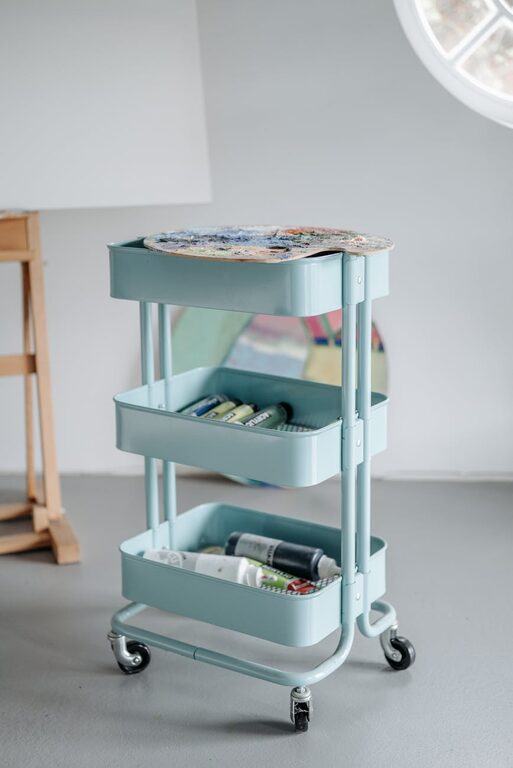
Tips for Keeping Kids’ Art Organized and Clutter-Free
Children’s artwork is a wonderful way to capture their creativity and milestones. From colorful drawings to crafty projects, their creations bring joy and a sense of pride. However, keeping all those pieces organized can quickly become a challenge. Piles of paper and crafts can clutter your space and make it hard to appreciate each masterpiece. In this post, we’ll explore practical tips for organizing children’s art that are easy to implement and help maintain a neat and inspiring environment.
Why Organizing Kids’ Art Matters
Organizing your children’s artwork does more than just reduce clutter. It helps:
– Preserve memories and developmental progress
– Boost your child’s confidence when their work is showcased
– Make it easier to find specific pieces for scrapbooks, gifts, or displays
– Create an inspiring space that encourages creativity
With some simple strategies, you can keep your kids’ art under control while celebrating their creativity.
1. Establish a Daily or Weekly Sorting Routine
Instead of letting art pile up, designate a specific time to go through new pieces regularly.
– Involve your child: Let them choose favorites to keep or gift to family
– Sort by type: Separate drawings, paintings, 3D crafts, and school projects
– Decide what to keep: Not every piece needs to be saved permanently; pick meaningful ones
Regular sorting prevents overflow and makes the task manageable.
2. Create an Art Display Area
Showcasing your children’s art makes them feel proud and keeps photos or drawings visible without creating clutter.
– Use corkboards or magnet boards: Easy to swap out artwork frequently
– Frame rotating favorites: Use inexpensive or DIY frames to highlight special pieces
– Designate a wall or hallway: A dedicated space communicates that their art matters
Rotating displays keep the space fresh and encourage kids to keep creating.
3. Use Storage Solutions for Flat Artwork
Proper storage preserves flat art like drawings and paintings and keeps them safe from damage.
– Portfolios: Large accordion folders or art portfolios store papers neatly
– Clear plastic bins: Stackable bins protect artwork while keeping it visible
– File organizers: Letter-sized folders or binders with plastic sleeves work well for sorting by date or theme
Label storage containers clearly and keep them accessible for you and your child.
4. Manage 3D Art and Crafts Creatively
Three-dimensional art requires different storage and display solutions since pieces can be bulky or fragile.
– Shadow boxes or shelves: Display sculptures or special projects as part of your home decor
– Designate a craft shelf or basket: Keep ongoing or seasonal projects together
– Photograph and then recycle: For delicate or space-consuming crafts, take pictures and let go of the original to save room
Balancing display and storage can turn clutter into a charming collection.
5. Digitize Artwork for Long-Term Keepsakes
Technology offers an excellent way to preserve art without physical storage concerns.
– Take photos or scan artwork: Store digital copies on your computer or cloud storage
– Create photo books: Compile favorites in printed books as gifts or keepsakes
– Use apps designed for kids’ art: Several apps organize and archive artwork easily
Digitizing helps keep memories alive for years to come in an organized, clutter-free way.
6. Encourage Reuse and Creativity with Old Artwork
Recycling some art into new projects teaches creativity and helps reduce clutter.
– Make gift wrap or cards: Use paintings or drawings as colorful packaging or greeting cards
– Create collages or scrapbooks: Combine smaller pieces into a larger artwork
– Use for craft supplies: Cut old art for bookmarks, decoupage, or other crafts
This approach turns excess art into new meaningful projects.
7. Set Limits and Rotate What You Keep
It’s important to set boundaries to avoid becoming overwhelmed by art.
– Use a keepsake box: Allocate a box per child for treasured items only
– Rotate seasonally: Store some pieces away and swap them out every few months
– Discuss with your child: Help them learn decision-making about what to keep or recycle
Setting limits encourages thoughtful preservation and keeps your home manageable.
Final Thoughts
Keeping kids’ art organized doesn’t have to be a chore. With regular sorting, smart storage, and creative displays, you can honor your child’s creativity while maintaining an orderly home. A combination of physical organizing and digitizing ensures you can enjoy memories without clutter. The key is to make the process fun and inclusive so your kids feel proud of their creations and excited about making more!
By following these simple tips, you’ll create a system that works for your family and celebrates the joy of artistic expression every day. Happy organizing!
